
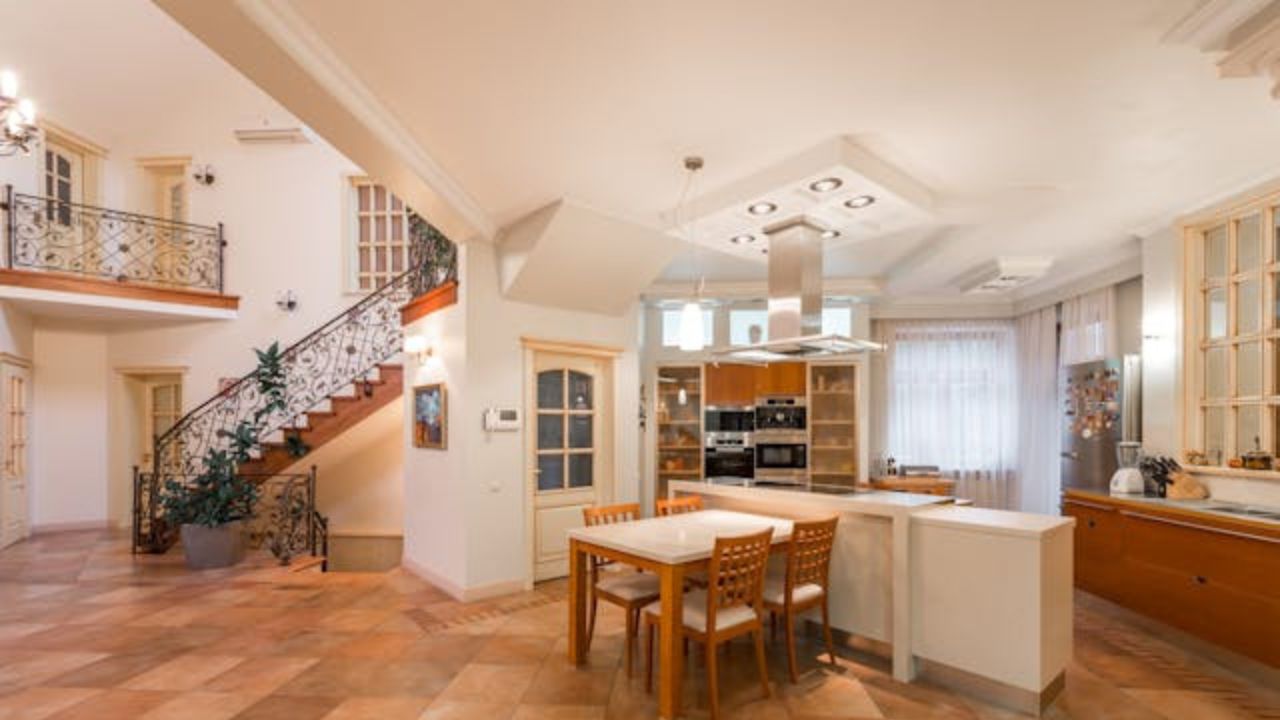
Open-concept homes have been the dream of many homeowners for decades, first introduced in the 1950s and becoming the standard for most newly built houses by the 1990s.
Open-concept homes became highly sought-after due to their perceived benefits. They could make modest square footage feel larger and were unbeatable for entertaining large groups.
+ How to Position Your Bed in the Bedroom for a Good Night’s Sleep, According to Feng Shui
Combining the kitchen, dining, and living areas allowed everyone to gather and socialize in the same space at the same time — something not easily achieved with traditional floor plans. However, there are reasons to be cautious about an open floor plan, and one major drawback that may cause regret later on is that it can make selling your home more difficult down the line.
While open-concept homes aren’t going completely out of style, their popularity has declined in recent years. A key factor is that it’s harder for potential buyers to imagine themselves living in such an exposed layout. Many designers and architects agree that it’s important to combine this layout with more traditional elements to embrace flexibility.
Now, people searching for their dream home have different needs than they did a decade ago. But that doesn’t mean all hope is lost for open-concept living — it just means reimagining the space to create rooms that serve multiple functions.
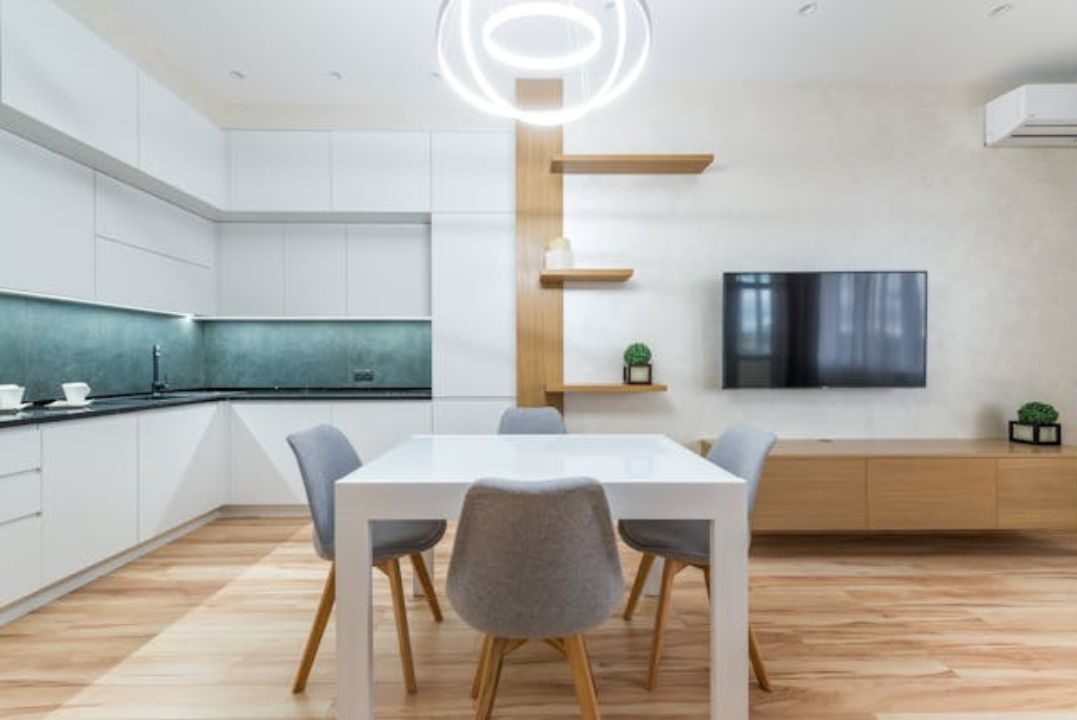
Making the most of open-concept living
Privacy is becoming increasingly important for today’s homeowners. But that doesn’t mean shared living spaces are obsolete. What’s becoming more popular are living rooms that can easily be closed off for quiet or multifunctional rooms that offer flexibility.
Especially in the U.S., where many young adults still live with their parents due to high mortgage rates, there’s a growing need to divide homes into separate living zones. People still want areas to gather with family and friends, but they also need places to retreat. Essentially, they want the best of both worlds — and open-concept homes provide a great starting point.
There are many ways to increase appeal and make the most of an open-concept home, particularly with future buyers and resale value in mind. To make your home more desirable, look for ways to define rooms on the main floor and optimize underused spaces for extra bedrooms, home offices, or even a personal gym. Small projects can help prospective buyers imagine how the space could meet their unique needs.
You might consider installing sliding doors to create more privacy while still keeping the openness intact when desired. You can also be creative with internal zoning — the art of dividing a large space using furniture, lighting, rugs, and other visual separators to maintain flow. This technique helps homeowners create adaptable spaces that maximize function and make the home more attractive to buyers.
Source: House Digest
This content was created with the help of AI and reviewed by the editorial team.
